Effective Strategies: How to Get Your Child to Listen
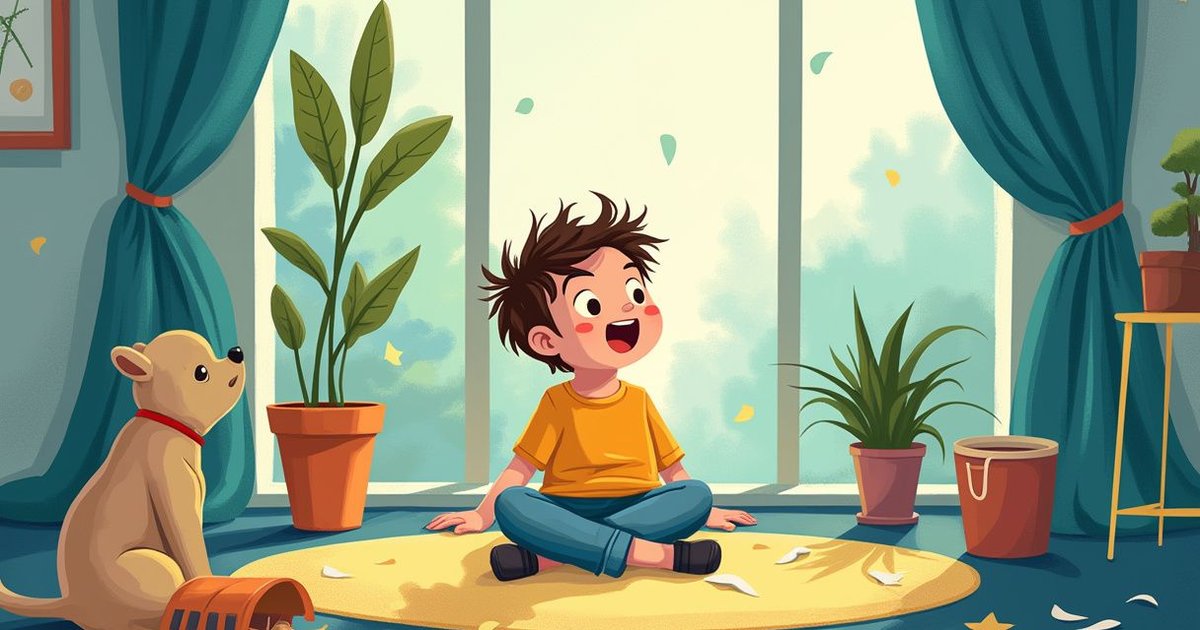
Every parent and teacher knows the frustration of repeating themselves over and over, only for their words to seemingly fall on deaf ears. Understanding how to get your child to listen is crucial not just for maintaining sanity, but for fostering an environment where effective communication flourishes. Fortunately, there are numerous strategies that can make interactions with children more productive and enjoyable.
Creating a listening culture at home or in the classroom starts with the adults. When children feel heard and valued, they are more likely to reciprocate the behavior. As we dive into practical methods to enhance listening skills in children, it's essential to remember that patience and consistency are key elements in this journey. So, if you've been asking yourself "How can I get my child to listen?", you're certainly not alone, and these techniques aim to provide you with effective solutions.
First and foremost, it's important to establish a connection with your child. Before issuing commands or instructions, engage in brief eye contact and use their name to draw their attention. Once you've garnered their focus, provide clear and age-appropriate instructions. Avoid over-explaining or using language that may confuse them. Acknowledging and respecting their response to your request is equally significant in reinforcing positive listening habits.
Equipped with these foundational ideas, let's explore a variety of effective techniques that can transform the way you communicate with your children, ensuring they not only hear you—but truly listen.
1. Make Listening Fun with Interactive Activities
Children learn best when they’re engaged and enjoying themselves. Incorporate games and interactive activities that encourage active listening. For example, try playing "Simon Says" or storytelling games where they have to listen carefully to add to the narrative. These activities not only strengthen listening skills but also make learning enjoyable.
2. Model Active Listening
Be the listener you want your child to be. When they speak, give them your full attention, show genuine interest, and ask follow-up questions. Demonstrating active listening shows them the importance of paying attention and validates their thoughts and feelings.
3. Create a Calm and Receptive Environment
Children are more likely to listen in a calm environment. Minimize distractions by turning off unnecessary noise like the TV or the radio. Ensure you’re both in a relaxed state before having important conversations. Creating a designated "listening zone" can also signal to kids that it's time to focus and communicate effectively.
4. Use Visual Aids
For visual learners, incorporating visual aids can significantly enhance understanding and listening skills. Use charts, pictures, or flashcards to convey your message. Visuals can provide context and help your child better retain the information.
5. Reinforce Positive Behavior
Whenever your child listens well, acknowledge their efforts with praise and affirmations. Positive reinforcement encourages continual listening improvements by making them aware of their good behavior and the benefits that come with it.
6. Set Clear and Consistent Expectations
Establishing clear rules about listening and following instructions is crucial. Make sure your child understands what is expected of them and remind them of these expectations regularly. Consistency helps them to internalize the importance of good listening skills as part of their routine.
7. Be Patient and Give Time
Remember that learning to listen effectively is a process that takes time. Be patient and give children the opportunity to express themselves. Allow them to ask questions and provide clarification when needed. This patience fosters an atmosphere of mutual respect and better understanding.
Implementing these strategies may not yield immediate results, but persistence will pay off. As you navigate the world of childhood communication, remember to keep listening a two-way street. By nurturing these skills in your child, you’re setting them up for a lifetime of effective communication, which is an invaluable tool for personal and academic success.
You might also like
More articles hand-picked for you

How to Design the Perfect Reading Nook: Cozy and Creative Ideas
Creating a reading nook in your home or apartment is a wonderful way to carve out a space that’s dedicated to relaxation and escape. Whether you’re an avid reader or just enjoy the occasional page-tu…
Read article
10 Awesome Football Party Ideas for Adults and Kids
Planning a football party that’s fun for both adults and kids might seem like a challenge, but it doesn't have to be! With the right activities and a little bit of planning, you can host an unfo…
Read article
How to Raise Kids Who Read
In the world of iPads at dinner tables and 24/7 kids’ channels on TV, it’s becoming more and more rare to find a child who reads—much less one who reads for fun. But recreational reading offers count…
Read articleFind Their Next Favorite Book
Free, hand-picked reads for every grade. Click a level to start exploring!